
How Septic Pumping Extends the Life of Your System
A septic system is one of the most important — and most overlooked — parts of a property. It quietly manages all of the wastewater that leaves your sinks, toilets, and showers, keeping your home sanitary and your yard free of contamination. When everything is working correctly, it is easy to forget the system is even there. But when maintenance is neglected, problems can escalate quickly and expensively. That is why routine pumping is one of the smartest investments a homeowner can make.
According to This Old House, more than 25 percent of Americans rely on a septic tank to manage household waste, particularly in rural and suburban areas where municipal sewer systems are not available. For these homeowners, protecting that system is not optional — it is essential. A reliable septic service that focuses on regular pumping plays a direct role in keeping tanks, drain fields, and household plumbing working as they should.
Understanding how pumping supports your septic system can help you avoid unnecessary damage, unpleasant surprises, and premature replacement.
Why Regular Septic Pumping Is Important
Inside every septic tank, solid waste settles to the bottom while grease and lighter materials float to the top. Between these layers is a liquid zone that flows into the drain field. Over time, the solid layer continues to build up. If it is not removed, that material begins to crowd the tank and interfere with the separation process that allows wastewater to exit safely.
Regular pumping keeps this balance intact. By removing built-up solids, a septic service helps preserve the tank’s ability to process waste effectively. When solids remain under control, the tank can hold and release wastewater at the correct rate, reducing stress on the entire system.
Without pumping, solids can move into the drain field, clogging the soil and preventing water from filtering properly. This is one of the most common causes of system failure. Keeping solids out of the drain field through scheduled pumping can add years — sometimes decades — to the life of a septic system.
How Often Should Septic Pumping Be Performed?
There is no single schedule that fits every household, but most septic professionals recommend pumping every three to five years. The right interval depends on the size of the tank, the number of people in the home, and how much water is used daily. A family of five will typically need to pump more often than a couple living in the same house.
High water use, garbage disposals, and frequent laundry loads also increase the rate at which solids accumulate. That is why working with a septic service that tracks your system’s needs is so valuable. Professionals can evaluate your usage patterns and recommend a schedule that keeps solids from building up too quickly.
Sticking to a consistent pumping timeline prevents the slow, silent damage that occurs when sludge rises too high. Homeowners who wait until there is a problem are often dealing with an already compromised system.
What Happens When Septic Pumping Is Neglected?
Skipping pumping appointments may not cause immediate issues, but trouble is always building beneath the surface. As the solid layer grows, it reduces the available space inside the tank. Wastewater moves through more quickly, carrying particles into the drain field that should have stayed in the tank.
This leads to slow drains, sewage odors, soggy patches in the yard, and even backups into the home. In severe cases, untreated wastewater can reach nearby groundwater, creating health risks and environmental damage.
A dependable septic service that focuses on pumping helps homeowners avoid these hazards. Removing solids on schedule protects both the tank and the soil that surrounds it. Once a drain field becomes clogged, it is difficult and costly to fix — making prevention far more affordable than repair.
How Septic Pumping Improves System Efficiency
A clean tank works better. When solids are kept at the proper level, wastewater flows at a steady, controlled rate into the drain field, where natural bacteria in the soil finish breaking it down. This process depends on space, timing, and filtration — all of which are disrupted when sludge is allowed to build up.
Routine pumping restores that balance. A septic service removes excess waste, allowing the tank to perform its job without strain. The result is fewer backups, better drainage, and a system that processes wastewater more efficiently year after year.
Efficiency also reduces wear on household plumbing. Toilets flush more easily, sinks drain faster, and the risk of blockages in your pipes decreases. These small improvements add up, making daily water use smoother and more reliable.
How Septic Pumping Protects the Drain Field
The drain field is one of the most delicate and expensive parts of any septic system. It relies on clean, filtered wastewater to function properly. When solids escape the tank, they clog the soil, preventing water from dispersing. Once that happens, wastewater has nowhere to go.
By keeping solids inside the tank where they belong, regular pumping protects the drain field from contamination. A septic service focused on pumping helps preserve the soil’s natural filtering ability, allowing water to be absorbed and treated safely.
A well-maintained drain field can last for decades, but once it is damaged by excess solids, replacement is often the only option. Pumping is one of the few maintenance steps that directly shield this critical part of the system.
Why Pumping Extends the Life of Your Tank
Septic tanks are designed to hold waste, not to store unlimited amounts of sludge. When solids accumulate beyond recommended levels, they place extra pressure on the tank walls and baffles. Over time, this stress can lead to cracks, leaks, or structural failure.
A professional septic service prevents this by keeping waste levels within safe limits. Pumping removes the material that causes strain, allowing the tank to function as designed. With less internal stress, the tank remains stable and watertight for much longer.
Homeowners who commit to regular pumping often see their tanks last far beyond their expected lifespan. It is one of the simplest ways to protect such a major investment.
Why Homeowners Can't Pump Their Own Septic Systems
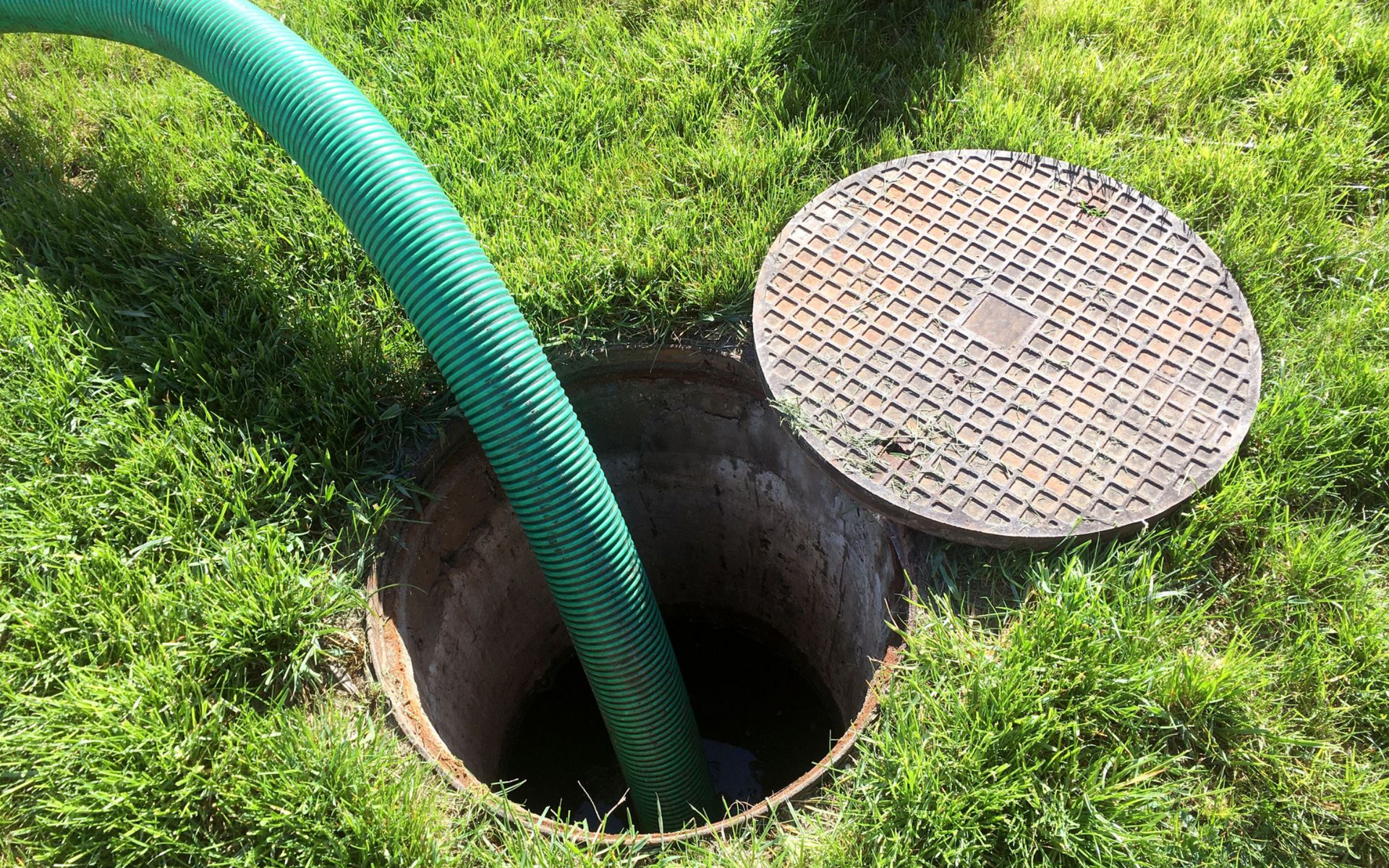
Septic pumping is not a do-it-yourself task. Tanks contain hazardous gases and waste that require specialized equipment and proper disposal methods. Attempting to pump a tank without the right tools and training puts both the homeowner and the environment at risk.
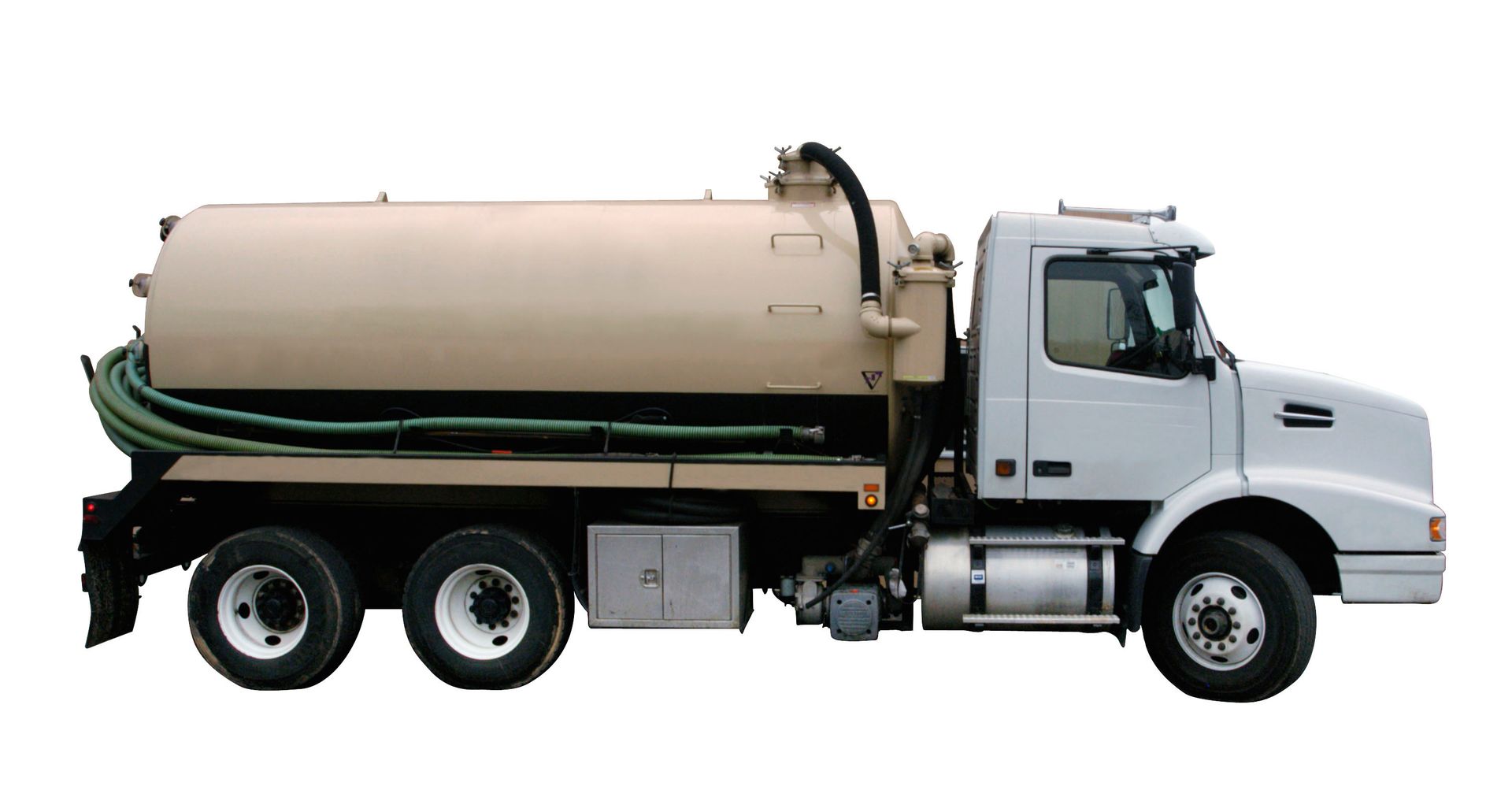
A licensed septic service has the vacuum trucks, safety gear, and disposal access needed to handle waste responsibly. They also know how to inspect the tank during pumping to spot early warning signs of trouble.
Hiring professionals ensures that waste is removed thoroughly and disposed of according to local regulations. It also provides peace of mind that your system is being handled safely and correctly.
How Septic Pumping Supports Environmental Health
A properly maintained septic system protects more than just your home — it also safeguards the surrounding environment. When wastewater is treated and filtered correctly, harmful bacteria and nutrients are kept out of streams, wells, and soil.
Regular pumping helps ensure that only properly treated water reaches the drain field. A reliable septic service reduces the risk of contamination that can affect drinking water and local ecosystems.
For communities where many households rely on septic systems, responsible maintenance makes a significant difference in overall environmental quality.
Why Septic Pumping Is Especially Important in Rural Areas
Because septic systems are most common in rural settings, maintenance plays a crucial role in protecting both property values and public health. With more than a quarter of Americans depending on septic tanks, as noted by This Old House, the impact of good maintenance practices is widespread.
In areas without municipal sewer systems, every tank must function properly to prevent contamination. Regular pumping by a trusted
septic service helps keep entire neighborhoods safer and cleaner.
Septic pumping is one of the most effective ways to extend the life of a septic system. By removing built-up solids, it protects the tank, preserves the drain field, and keeps wastewater flowing efficiently. A professional septic service that focuses on pumping gives homeowners a simple, reliable way to avoid major problems and keep their systems working as designed for years to come. If you need your septic tank pumped, reach out to the professionals at Berryhill Sewer Service Inc today!

Share On: