
Septic System Care Made Simple: Why Pumping Matters Year-Round
Septic service is an essential part of many homes, yet they often go unnoticed until problems arise. According to Statista, approximately 86% of U.S. residents are connected to centralized sewer systems. Regular maintenance and understanding the intricacies of septic pumping can prevent costly repairs and environmental damage. This article delves into why septic system pumping should be a year-round concern and offers insights into effective care strategies. While many U.S. residents are connected to centralized sewer systems, those relying on septic systems must adopt different maintenance approaches. Let’s explore the importance of timely and consistent septic care.
Understand How Your Septic System Works
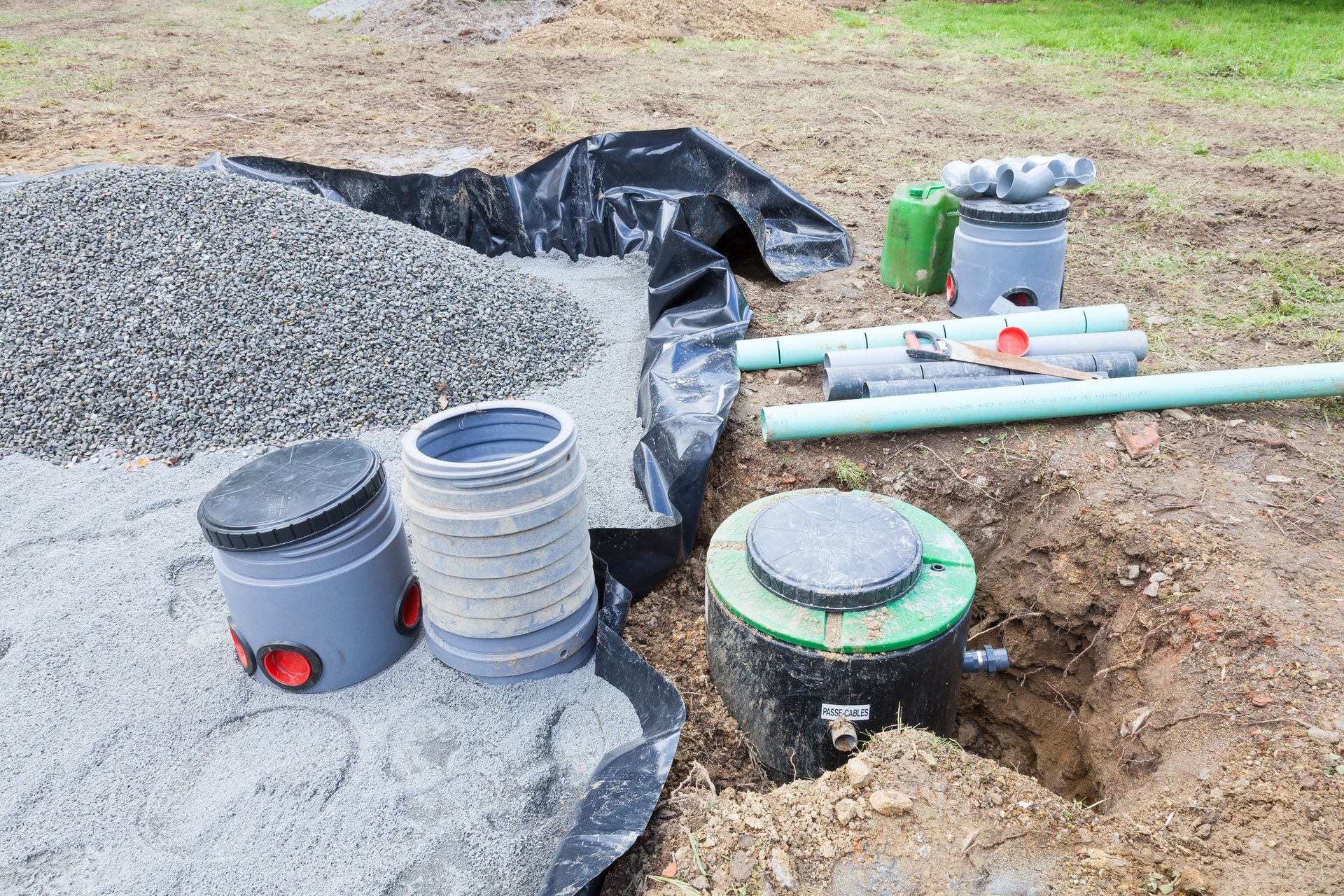
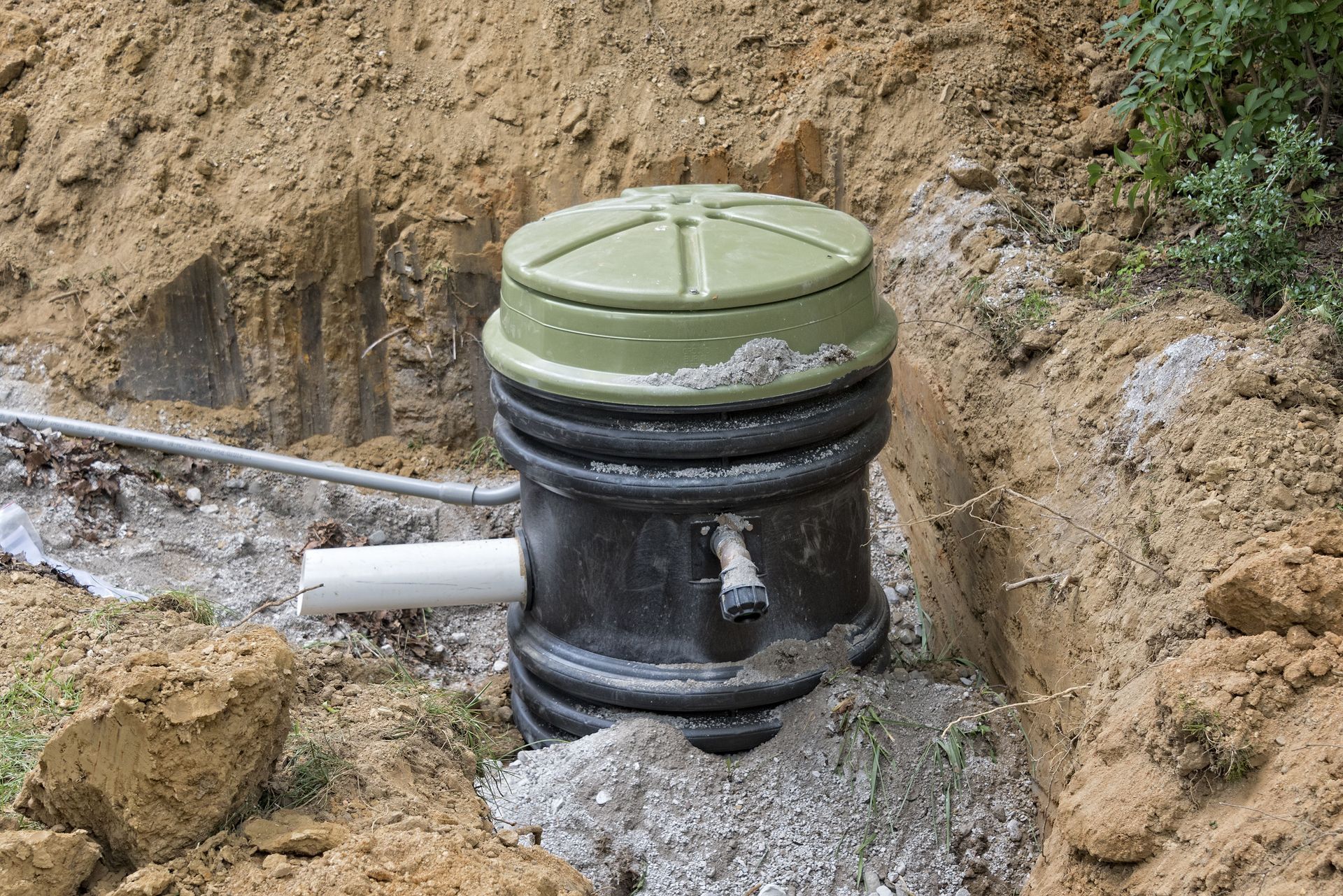
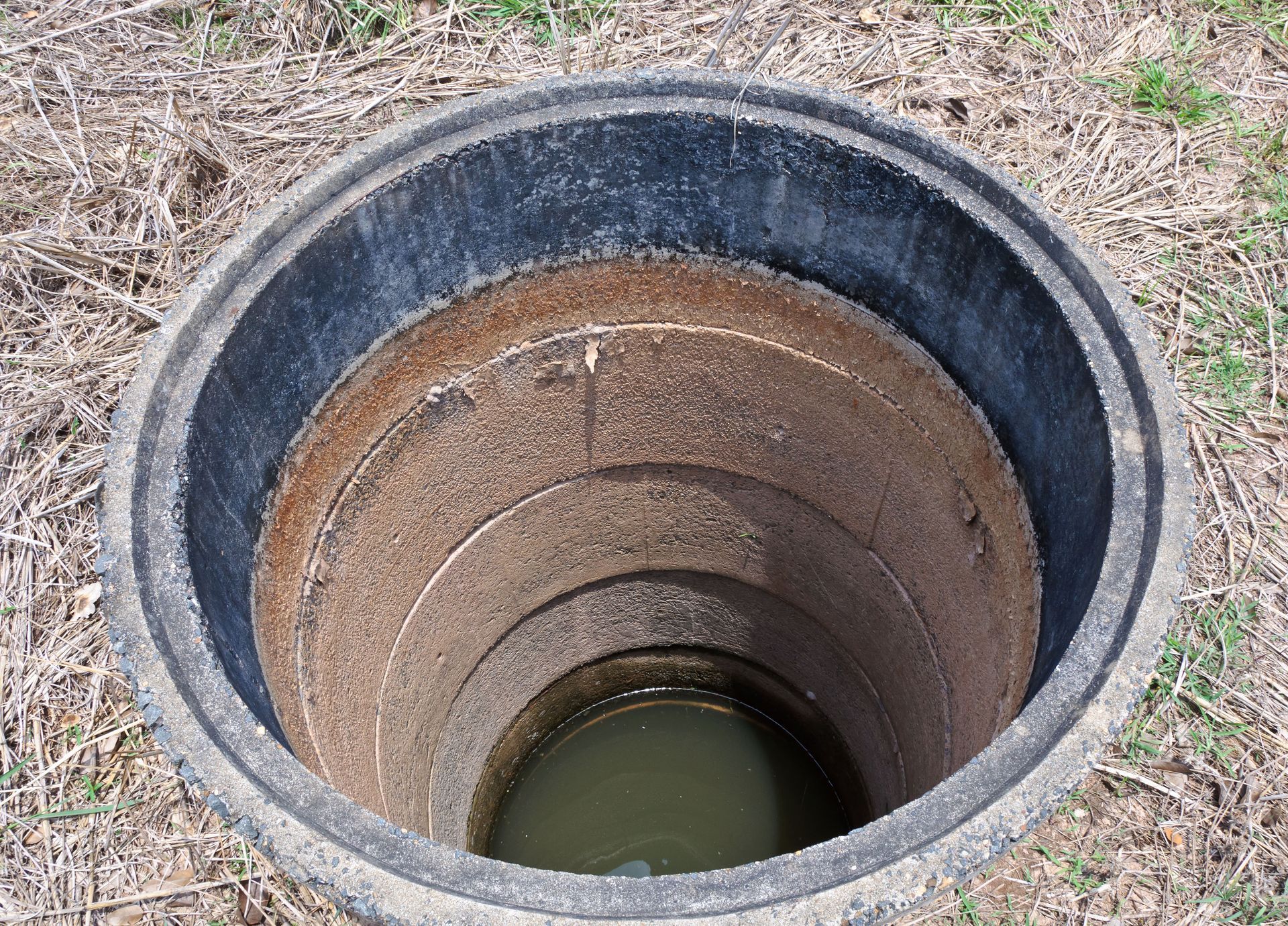
Septic systems treat and dispose of household wastewater on-site. Usually situated underground, they comprise a septic tank connected to a drainage field. Wastewater exiting a home flows into the septic tank where solids settle, and scum forms a top layer. The liquid waste, or effluent, then moves through the trenches in the drainage field where natural processes treat it. Understanding this process underscores the necessity of regular monitoring to ensure system efficiency.
The efficiency of septic systems relies heavily on their balanced operation. A delicate ecosystem of bacteria within the tank aids in breaking down organic waste. The decomposition of waste into harmless components is crucial to preventing blockages and environmental contamination. Regular usage, the introduction of harsh chemicals, or an influx of non-biodegradable material can upset this balance. Maintaining a healthy septic system demands monitoring inputs as well as outputs.
Septic systems are composed of several integral components working in tandem. The tank itself is designed to separate waste, allowing heavy solid particles to settle at the bottom as sludge. Distribution boxes and perforated pipes facilitate effective overflow into the drainage field. Each component must function optimally to ensure effective wastewater treatment and disposal. Regular inspections can identify component issues before they become widespread problems.
Recognize the Signs Your Septic Tank Needs Pumping
Recognizing the signs of a full septic tank is vital to prevent overflows and damage. A sluggish drainage system, gurgling pipes, or an unexplained foul odor can all be indicators. Toilets taking longer to flush or backups occurring in household drains might also signal a need for attention. Beyond inconvenience, neglect can lead to costly repairs. Regular checks can prevent such issues.
Neglecting septic pumping poses direct risks to both property and health. Overflowing systems can saturate the ground with untreated wastewater, breaching natural filtration barriers. This not only damages lawns and nearby vegetation, but also becomes a breeding ground for pathogens. Contaminated wells or local water bodies could result from this negligence. To safeguard family and community health, routine maintenance must remain a priority.
Environmental hazards from improperly managed septic systems are considerable. Untreated wastewater leaches harmful nutrients like nitrogen and phosphorus into nearby ecosystems, disrupting local flora and fauna. These nutrient overloads can also contribute to algal blooms in water bodies, impacting aquatic life. As soil loses its ability to filter wastewater, further contamination becomes inevitable. Proactive care prevents these detrimental environmental impacts.
Protect Your Septic System With Regular Pumping
Regular septic service ensures the longevity of your system by preventing excessive sludge buildup. Removing accumulated waste allows the system to operate effectively, reducing wear and tear on components. With proper care, septic systems can reliably serve households for decades. A well-maintained system often outlasts its poorly-managed counterparts. Investing in routine service is a step toward conserving significant future costs.
Beyond extending lifespan, regular maintenance enhances efficiency and functionality. A cleared septic system operates with optimal fluid dynamics, promoting wastewater treatment. Homeowners benefit from reduced risk of blockages and more consistent system performance. Overburdened tanks, conversely, impede proper filtration and cause backups. Ultimately, regular pumping ensures reliable, uninterrupted service.
Engaging in regular pumping translates to substantial cost savings over time. A well-maintained system minimizes the need for emergency repairs, which can be both expensive and disruptive. Timely interventions also protect homeowners from the financial burden of replacing failed components. The economic rationale for frequent pumping becomes particularly evident when balanced against potential repair or replacement costs. Conducting routine checks prevents financial strain while maintaining system efficacy.
Determine How Often to Pump Your Septic Tank
Several factors determine how often septic pumping should occur. Household size directly impacts wastewater volume, influencing how quickly a tank fills. Moreover, the frequency of laundry, showers, and toilet use directly correlates to pumping needs. Consideration of system size, too, is fundamental in developing an appropriate maintenance schedule. External environmental factors may further dictate distinct regulations influencing frequency recommendations.
Seasonal considerations play a crucial role in scheduling septic maintenance. Warmer months, for instance, typically see an increase in biological activity, accelerating waste breakdown. However, increased precipitation during certain seasons can lead to field saturation, necessitating amended schedules. Cold weather may also impact the efficiency of natural filtration processes. Taking these factors into account ensures optimal functionality year-round.
Consulting with experts helps tailor a maintenance regimen suited to specific household needs. Professional advisement often incorporates both industry standards and individual system characteristics. Personal usage patterns can be adjusted to align with regional recommendations. Experts also provide invaluable insight into adjusting schedules for unexpected circumstances. Relying on professional expertise fosters both system longevity and homeowner confidence.
Select a Qualified Septic Service Provider
Selecting a qualified septic service provider is crucial for effective system care. Certified professionals possess the knowledge required to manage maintenance efficiently and safely. Experienced providers ensure compliance with evolving industry standards and local regulations. Homeowners should prioritize companies with a proven track record of successful outcomes. Choosing a reputable service minimizes risk and promotes system reliability.
Evaluating service options allows homeowners to find the best fit for their needs. Companies may offer varying levels of service, from basic pumping to comprehensive system inspections. Understanding the scope of services provided helps inform decisions based on budgetary constraints and immediate maintenance needs. Comparing offerings aligns expectations with service capabilities. Prioritizing tailored, transparent options fosters immense value and satisfaction.
Reviews and testimonials serve as valuable resources when selecting septic service providers. Previous customer experiences can highlight the quality of service, timeliness, and overall satisfaction. Investigating both positive feedback and potential issues promotes well-informed decisions. A reliable service simplifies septic management, providing homeowners peace of mind. Consistent, quality service ultimately establishes lasting professional relationships.
Maintain Septic Health Between Professional Pumping
Implementing water conservation techniques supports septic system health between scheduled pumping. Reducing water usage lowers the load placed on your system, alleviating potential strain. Homeowners might consider installing water-saving fixtures for faucets, toilets, and showers. Engaging in mindful water use practices not only benefits the septic system but also conserves a vital resource. Consistent conservation practice fosters sustainable septic functionality.
Proper waste disposal plays an integral role in maintaining septic efficiency. Flushing non-biodegradable products or hazardous chemicals impacts the breakdown process, compromising bacterial balance. Homeowners should educate themselves about what constitutes appropriate waste, ensuring only biodegradable products enter the system. Managing disposal habits reduces the risk of clogs and blockages. Completing periodic waste audits and implementing proper disposal techniques support system integrity.
Year-round septic service, particularly regular pumping, is crucial for the longevity and functionality of the system. By maintaining a disciplined care routine and understanding the nuances of septic system science, homeowners can enjoy a trouble-free experience while preserving the health of their property and the surrounding environment. Thoughtful engagement with professional services, alongside mindful system use, ensures both economic and ecological sustainability. Proper care grants homeowners peace of mind by securing the value of their investment. In essence, a commitment to regular maintenance stands as a promise of perpetual system reliability. Reach out to Berryhill Sewer Service Inc to learn more about our septic service today.


Share On: